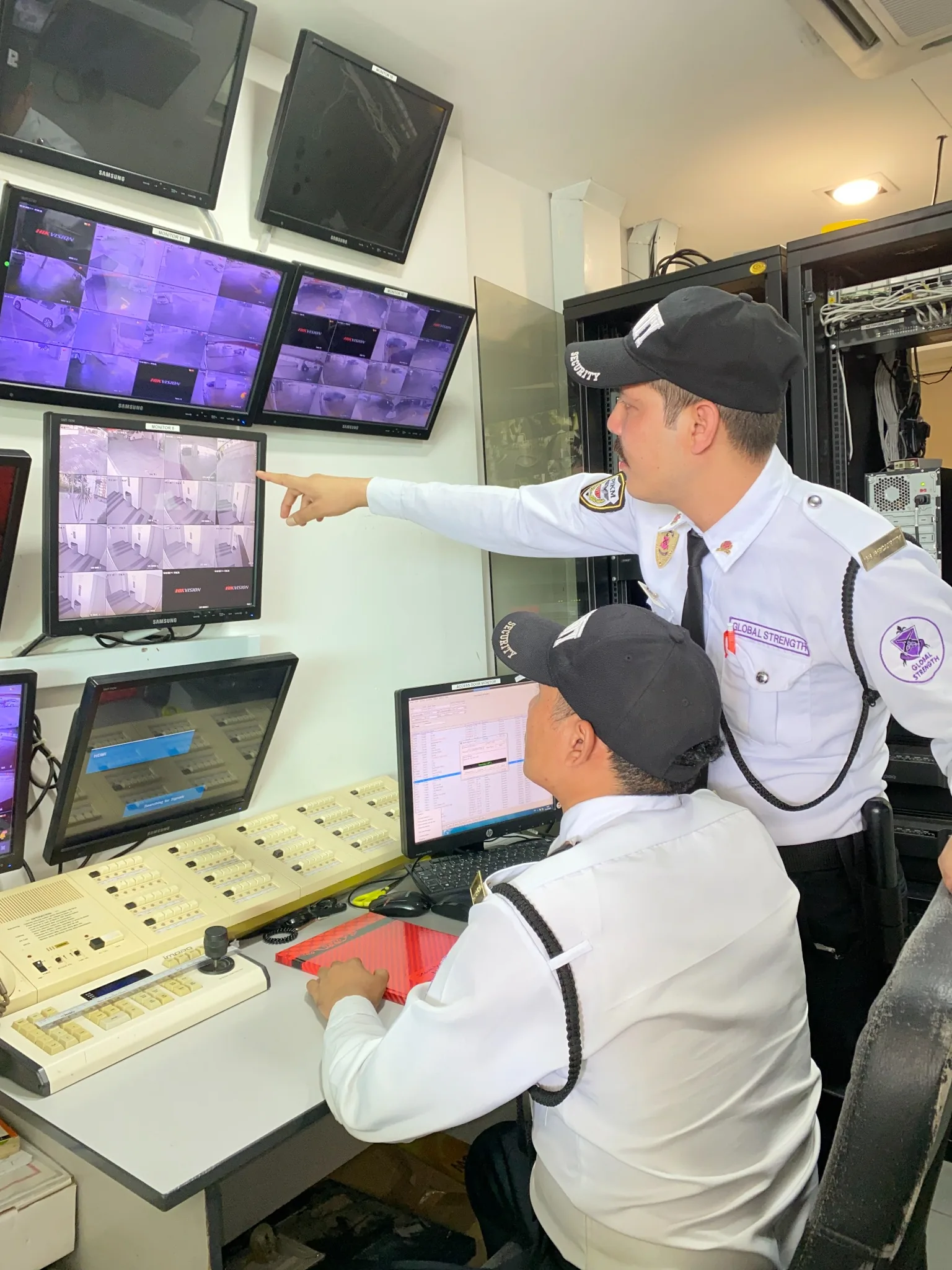
Security management should be structured, visible and continuously reviewed.
The exact procedures differ by site, but the management process should always create clear responsibility and follow-up.
From understanding the site to improving the operation.
This is the framework I use when discussing or reviewing a security requirement.
Understand the operating environment
Identify access points, operating hours, people and vehicle movement, sensitive areas, assets, recurring issues and management concerns.
Define the security objective
Clarify what the operation must achieve: access control, loss prevention support, safety observation, perimeter coverage, visitor management or other priorities.
Structure posts and responsibilities
Match manpower to actual posts and duties. Every position should have a clear purpose, shift coverage and escalation path.
Prepare site-specific operating procedures
Translate the client's requirements into practical post instructions, patrol routines, access rules and incident-response procedures.
Deploy and brief the team
Ensure the security personnel understand the property, their responsibilities, communication channels and the standards expected.
Supervise and verify
Use operational checks and management follow-up to verify that duties are being carried out, not merely assume they are.
Manage incidents to closure
Document the event, respond immediately, understand the cause, communicate with the client and track corrective action.
Review and improve
Look for repeated weaknesses, changing site conditions and opportunities to improve procedures, training or deployment.
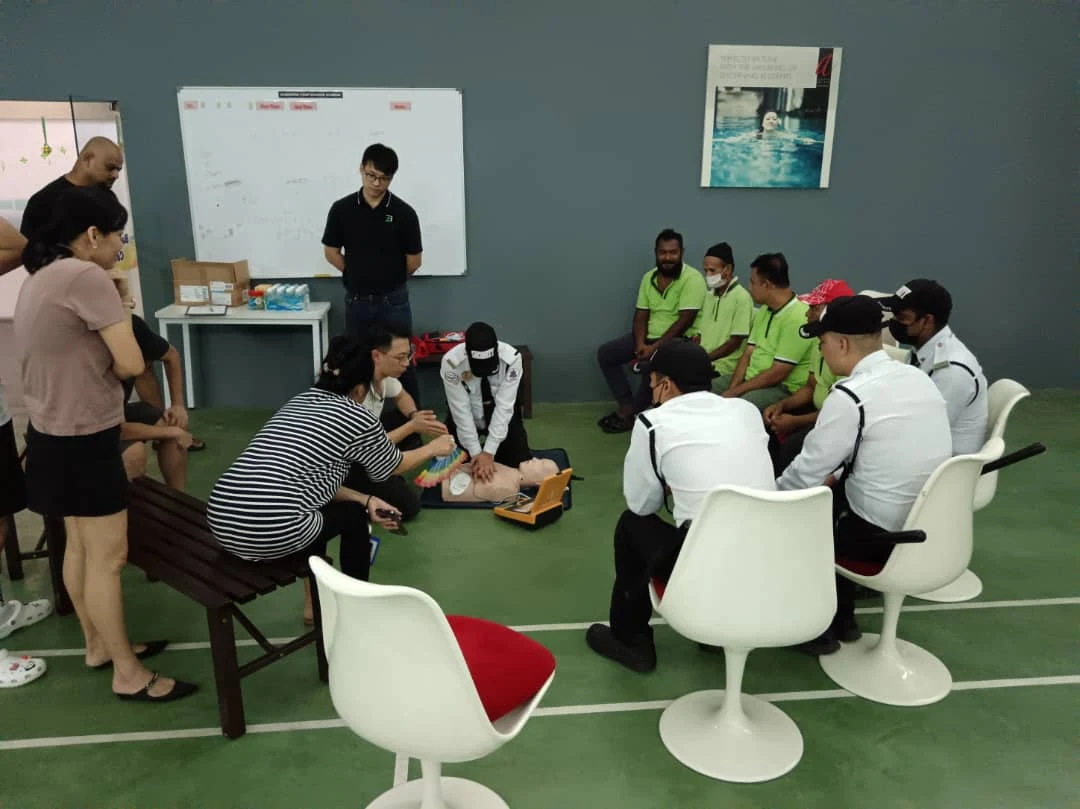
Basic life-saving response is part of a better-prepared security operation.
Security teams are often positioned at entrances, common areas and operational points where they may become aware of an emergency before other personnel. Training improves familiarity with the actions expected while emergency services are being contacted.
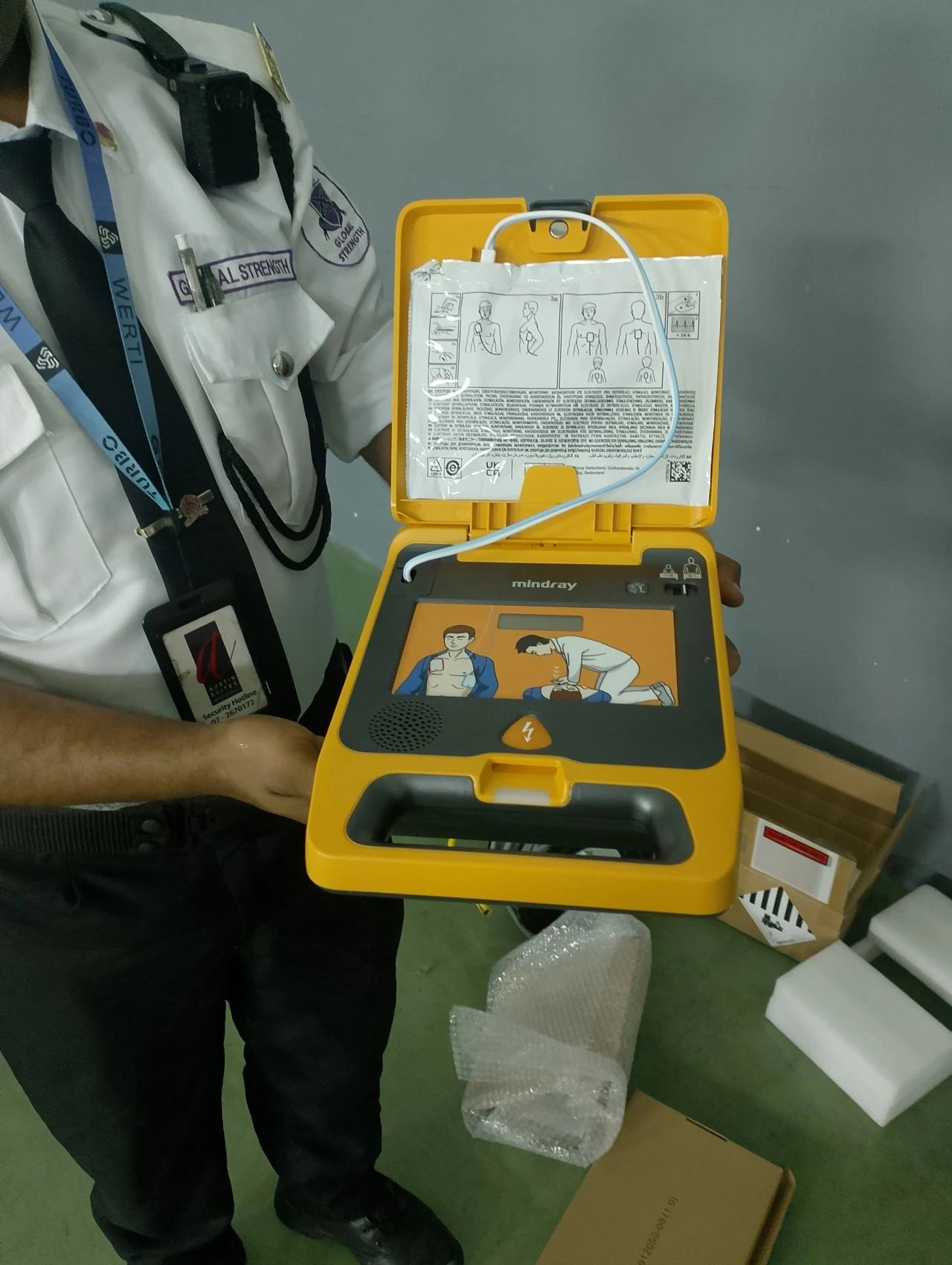
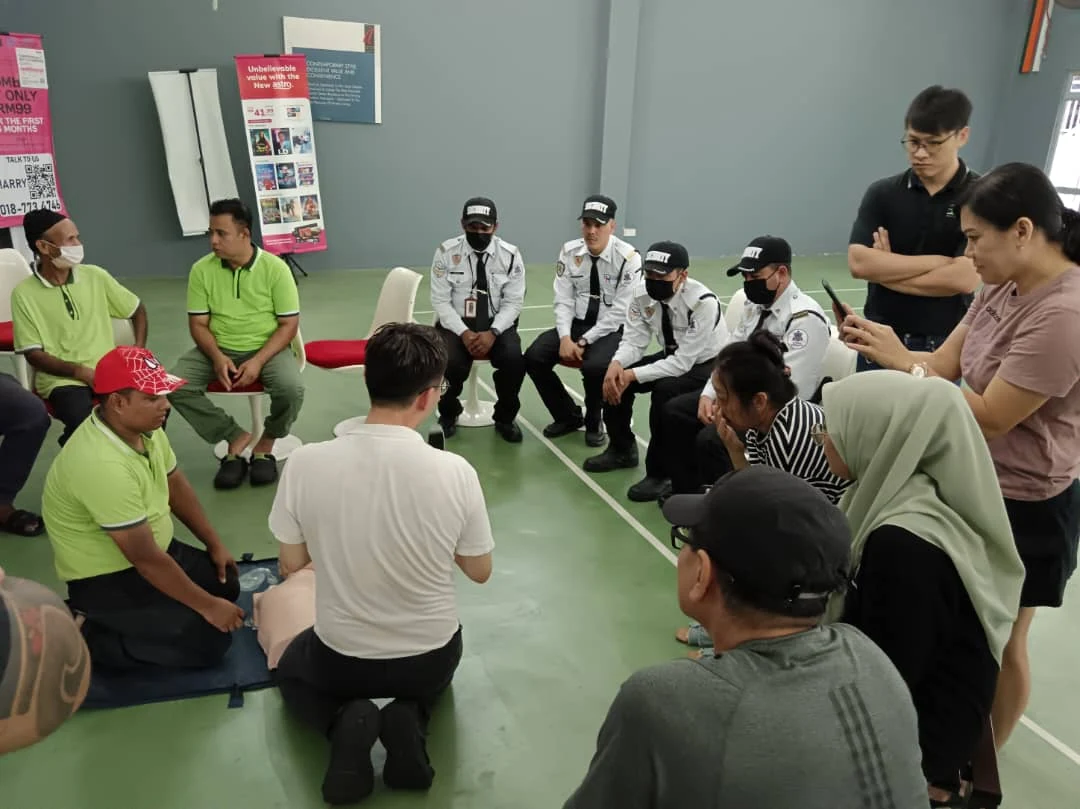
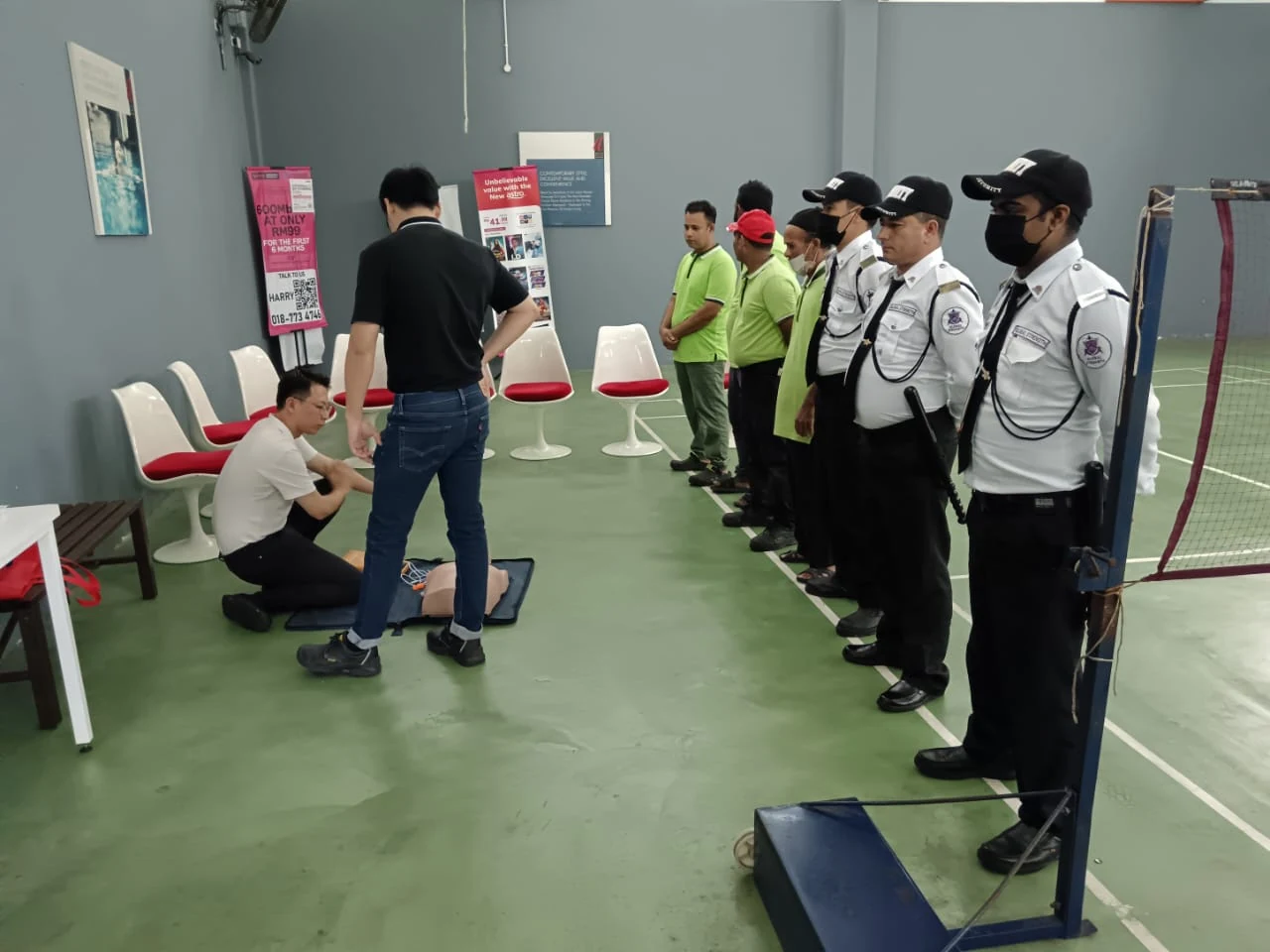
CPR and AED practical training
Where appropriate, security personnel are sent for practical CPR and AED training delivered by qualified trainers. The objective is not to position guards as medical professionals. It is to improve emergency awareness, basic response readiness and familiarity with the equipment available at the site.
Training is refreshed as certification periods approach expiry. This helps keep practical knowledge current rather than treating training as a one-time exercise.
Subject to agreement with the Management Office and Global Strength Security, a trainer can be invited on site for a structured two-day programme involving security personnel, management-office staff and relevant committee members.
Security performance should not be invisible.
Depending on the site and agreed scope, management visibility can include attendance, significant incidents, patrol observations, recurring issues, corrective action and recommendations.
Operational visibility
Clients should know what is happening rather than discover problems only after escalation.
Clear escalation
The security team should understand who must be informed, when and with what information.
Corrective action
Repeated issues should be tracked until an operational response has been implemented.
Have a security problem you want reviewed?
Tell me what is happening at the site. An initial discussion can often identify whether the issue is manpower, process, supervision, communication or a combination of factors.